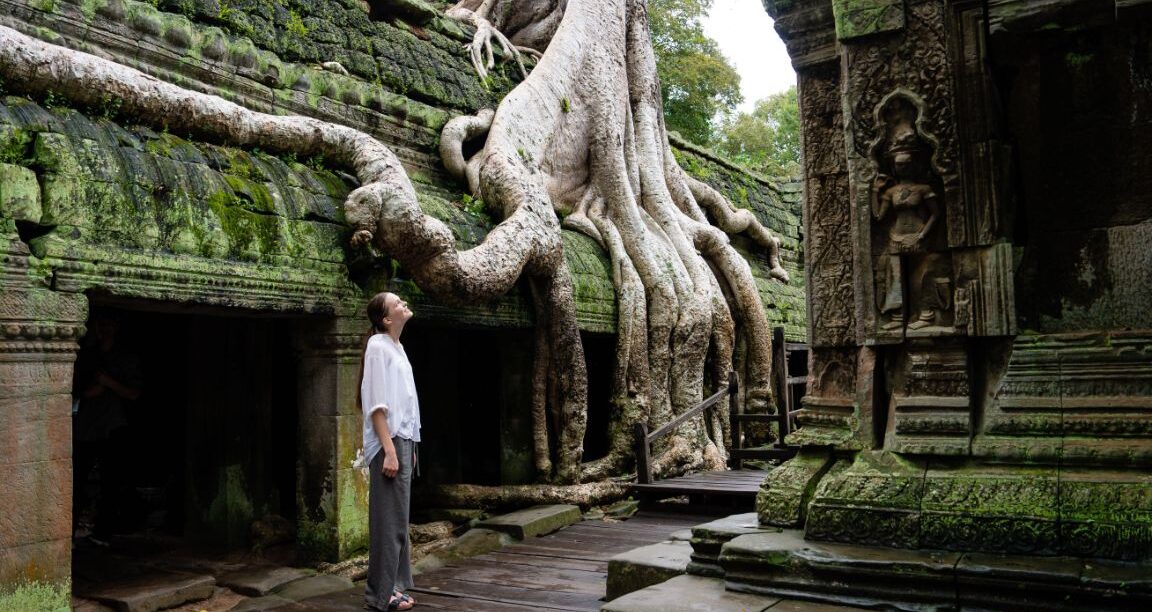
Southeast Asia has a way of getting under your skin. You go once, usually expecting temples and beaches, and come back wanting to understand the food, the pace, the light at six in the morning when the streets are just waking up. Most people who go once go back.
But the first trip can be disorienting in ways that guidebooks don’t quite prepare you for. The heat is more physical than you expect. The traffic is genuinely chaotic. Things that seem simple at home — getting somewhere, ordering food, knowing what something costs — require a different set of instincts.
This guide is what I wish someone had told me before I went.
Pick a Region, Not a Continent
Southeast Asia is enormous. Vietnam, Cambodia, Laos, Indonesia, Malaysia, the Philippines — each country alone could absorb weeks of travel. Trying to see all of it in one trip is the single most common mistake first-timers make.
Pick one country or one region and go deeper instead of wider. Two weeks in Cambodia will leave you far more satisfied than two weeks trying to hit five countries. You’ll actually understand where you are. You’ll find the places that aren’t on every itinerary. You’ll have time to slow down.
If you genuinely can’t decide, Cambodia is the easiest entry point, the food is extraordinary at every price point. Vietnam rewards slightly more adventurous travellers and has an incredible range of landscapes. Cambodia is more compact and has a quiet, unhurried quality that many people find deeply appealing.
The Heat Is Real
If you’ve never been somewhere that’s 35 degrees with 80% humidity, it takes adjustment. Your body needs a few days to acclimatise. Plan accordingly.
The practical implications: you will sweat through any outfit immediately. Linen and loose cotton are your friends. Avoid synthetic fabrics that don’t breathe. Dark colours show sweat less but attract heat — you’ll find your own balance.
Carry water constantly. Drink more than you think you need. Dehydration in hot climates sneaks up on you — headaches and fatigue that feel like jet lag are often just dehydration.
The best time to be outside is early morning and late afternoon. Midday, roughly 11am to 3pm, is when the heat peaks. Use that window for air-conditioned museums, a long lunch, or a rest. This is not laziness. It’s how locals structure their days.
Transport: What to Use and What to Skip
For getting between cities, domestic flights are cheap and save enormous amounts of time. Book them in advance — prices rise quickly.
Within cities, motorbike taxis and tuk-tuks are the authentic experience but negotiate the price before you get in. Grab — the Southeast Asian equivalent of Uber — is available in most urban areas and solves the negotiation problem entirely. It’s what most locals use.
Renting a scooter is a rite of passage that injures a significant number of tourists every year. If you’re not comfortable on a motorbike at home, this is not the place to learn.
Food: Trust the Street, Ignore the Fear
The best food in Southeast Asia is not in restaurants. It’s at street stalls, in markets, from vendors with a cart and a single speciality they’ve been making for twenty years.
The fear of getting sick from street food is largely misplaced. The stalls with queues of locals are turning over food constantly — nothing sits. The places to be cautious about are actually mid-range tourist restaurants where food sits under heat lamps and hygiene standards are inconsistent.
Eat where locals eat. Point at what looks good. Say yes to things you can’t identify. This is where the trip happens.
Keep oral rehydration sachets in your bag. Stomach issues can happen regardless of where you eat, usually from the change in diet rather than contaminated food. They pass quickly if you stay hydrated.
Money and Bargaining
ATMs are widely available in cities and tourist areas. Carry some local cash for markets, street food, and smaller towns where cards aren’t accepted.
Bargaining is expected in markets and for tuk-tuks, not in shops with fixed prices or restaurants. The general approach: counter at about 60% of the opening price and meet somewhere in the middle. Keep it light and friendly — it’s a transaction, not a confrontation. If a price genuinely isn’t moving, decide whether it’s worth it to you and move on.
The amounts involved are usually small. Don’t bargain aggressively over the equivalent of fifty cents. It’s not worth the energy and it’s not a good look.
One Thing to Let Go Of
The itinerary.
Make a loose plan. Know roughly where you’re going and how you’ll get there. Book your first night’s accommodation in advance so you have somewhere to land when you’re jet-lagged and overwhelmed.
Then let things happen. The best parts of any trip to Southeast Asia tend to be the unplanned ones — the conversation that leads somewhere unexpected, the place you stayed an extra day because you weren’t ready to leave, the meal you found by wandering off the main street.
Leave room for that. That’s what you’ll remember.